
Saudi Arabia’s Vision 2030 and the Future of Supply Chain Strategy
Saudi Arabia’s Vision 2030 is redefining the economic future of the Kingdom. This national roadmap also known globally as the 2030 Vision of Saudi Arabia focuses on diversification, innovation, and sustainability. It is transforming every sector, especially supply chain and logistics, making it one of the most searched topics today, even in regions looking for Vision 2030 Saudi Arabia in Urdu, Saudi Vision 2030, and Saudi Arabia Vision 2030 summary.
Businesses that align with Vision 2030 now will enjoy long-term success, especially as major Saudi 2030 Vision projects across NEOM, Riyadh, Makkah, and the Red Sea continue to expand.
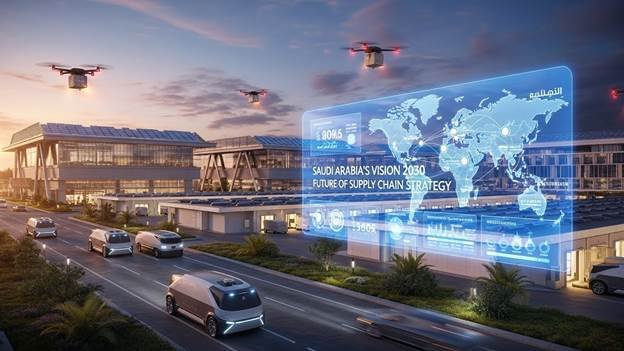
Vision 2030: What It Really Means for the Supply Chain Ecosystem
Launched in 2016, the Vision 2030 of Saudi Arabia aims to build a diversified, dynamic, and globally competitive economy. The initiative impacts a wide range of areas including education, tourism, sustainability, and logistics making keywords like Saudi Vision 2030 jobs, Saudi Vision 2030 education, and Saudi Vision 2030 progress highly relevant.
Key pillars of Vision 2030 include:
- Boosting non-oil sectors
- Attracting global investment
- Enhancing sustainability
- Strengthening logistics and supply chain efficiency
These goals rely heavily on stronger, localized, and technologically advanced supply chains.
How Vision 2030 Is Transforming Supply Chain Strategy
1. Localization is No Longer Optional
One of the top priorities of the Saudi Vision 2030 program is localizing industries such as FMCG, mining, pharmaceuticals, and automotive. Regions-like Vision 2030 Makkah are seeing rapid industrial expansion reducing import dependency and increasing efficiency.
2. The Rise of Digital Supply Chains
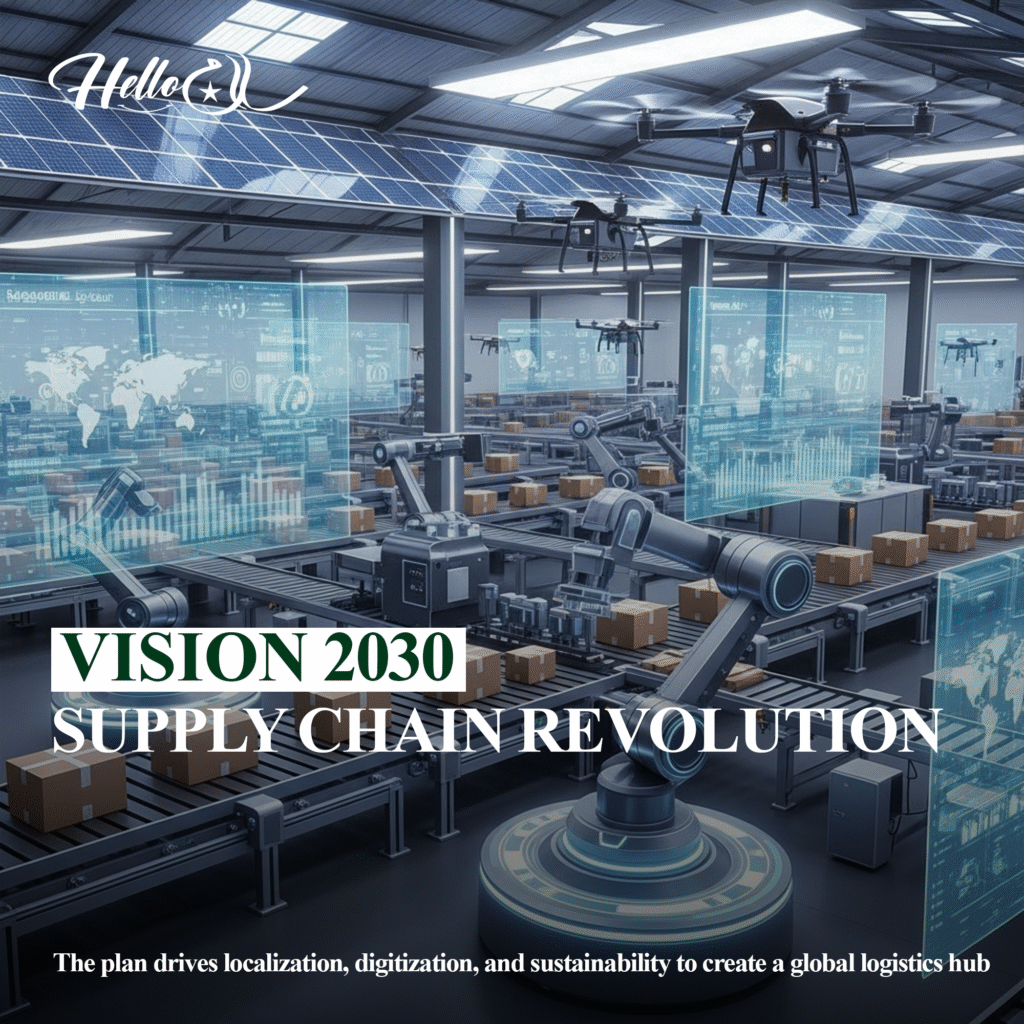
Saudi Arabia’s push for digital innovation aligns with its ambition to become a global logistics hub. The interest in Saudi Vision 2030 NEOM stems from the mega-project’s goal of designing the world’s first fully automated supply chain ecosystem powered by AI, IoT, robotics, and blockchain.
3. Sustainability as a Core Priority
As part of the Saudi Green Initiative, companies are transitioning to:
- Low-emission transport
- Green logistics
- Waste reduction
- Sustainable warehousing
This shift supports the broader 2030 Vision of Saudi Arabia sustainability targets.
3 Megatrends Reshaping Saudi Supply Chains
Trend 1: Digital Transformation & Smart Logistics
Saudi Arabia is investing in AI-driven forecasting, IoT tracking, and automated warehouses. These innovations support educational institutions preparing talent for the future fueling the demand for insights on Saudi Vision 2030 education and Saudi Vision 2030 progress.
Trend 2: Localized Production for National Growth
Industries such as pharmaceuticals, plastics, food processing, and automotive components are rapidly expanding local operations. This aligns with the Saudi Vision 2030 PDF guidelines emphasizing self-sufficiency and employment growth.
Trend 3: Green Manufacturing & Eco-Friendly Operations
Sustainability is a core element of the Saudi Vision 2030 roadmap. Companies are adopting:
- Solar-powered warehouses
- Environment-friendly packaging
- Electric fleet solutions
These trends reinforce the demand for information like Saudi Vision 2030 logo, Saudi Vision 2030 summary, and other educational content.
How Businesses Can Optimize Supply Chain Strategy for Vision 2030
1. Leverage National Infrastructure Investments
Saudi Arabia is developing world-class logistics infrastructure, including new ports, railway lines, and special economic zones. These upgrades support the broader 2030 Vision of Saudi Arabia objectives by improving regional and global connectivity.
2. Adopt AI, Automation, and Smart Analytics
Automation helps businesses handle peak seasons such as Hajj, Ramadan, and tourism events more efficiently. This is especially important for sectors highlighted in Saudi 2030 Vision projects.
3. Build Strong Global–Local Partnerships
Partnerships with international companies support:
- Innovation
- Skill transfer
- Technology adoption
- Advanced manufacturing
This aligns with the Saudi Vision 2030 goal of boosting private-sector engagement.
4. Improve Resilience and Risk Management
Companies must reduce vulnerabilities by:
- Diversifying suppliers
- Using predictive analytics
- Implementing real-time risk dashboards
These steps strengthen business continuity key to achieving Vision 2030 Saudi Arabia goals.
What the Future Holds for Supply Chains in Saudi Arabia
By 2030, supply chains in the Kingdom will be:
- Fully automated
- Digitally connected
- Environmentally sustainable
- Competitive at a global scale
This shift supports all pillars of the Saudi Vision 2030 from job creation to economic diversification to quality-of-life improvements.
Businesses that embrace digital transformation today will play a critical role in shaping the 2030 Vision of Saudi Arabia.

Conclusion: Vision 2030 Is Redefining Supply Chain Excellence
Saudi Arabia’s supply chain transformation is not just a national initiative it’s a global opportunity. Companies that invest in modern technologies, sustainability, and localization will thrive in the rapidly evolving Saudi market.
If you want to stay aligned with Vision 2030’s supply chain direction, innovation and adaptability are your biggest assets.
Discover What’s Next at WAM Saudi Expo
Explore the latest in warehousing, logistics, automation, transportation systems, and material handling. Connect with industry leaders shaping the future of Saudi Arabia’s evolving logistics ecosystem. Stay updated with the latest news, insights, and business trends in Saudi Arabia and beyond! Visit Hello Salam for breaking news, expert analysis, and in-depth stories.