
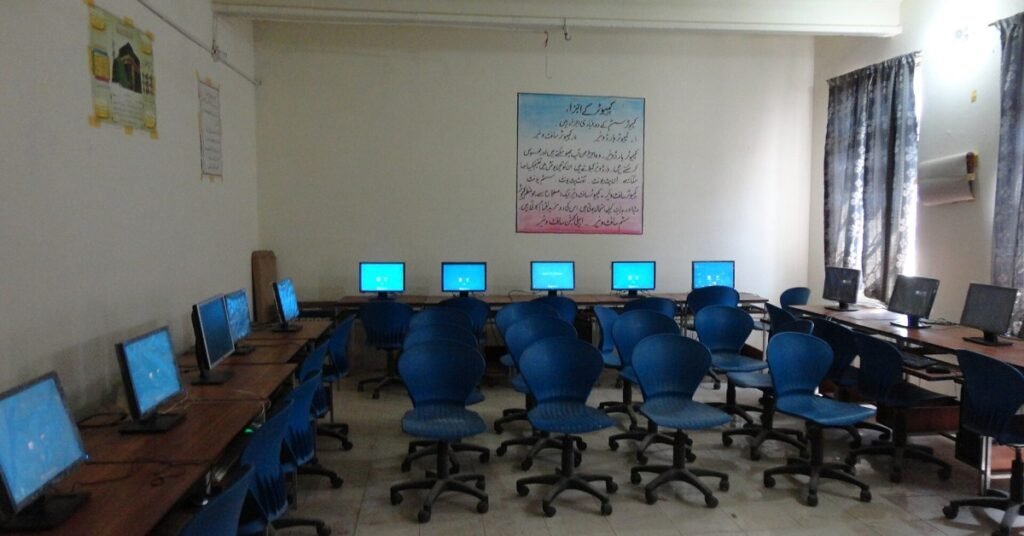
Pakistan’s next generation of AI talent may well come from classrooms far away from the big cities. To mark the International Day of the Girl Child, Zong has launched the new phase of the Zong Digital Scholars Program, this time with a clear focus on artificial intelligence. Over the next year, the programme aims to teach AI, analytical thinking and problem solving to 10,000 college and university students, and around 60 percent of them will be young women.
In this guide to the Zong Digital Scholars Program 2026, we explain what the programme is, what students will learn, who it is for, how it has grown since it began, and why it matters for Pakistan’s AI ready future.
Zong Digital Scholars Program 2026 at a Glance
| Programme | Zong Digital Scholars Program (new AI phase) |
| Run By | Zong, with education technology partner Knowledge Platform |
| Launched | October 2026, to mark the International Day of the Girl Child |
| Target | 10,000 college and university students over the next year |
| Women Participants | Around 6,000 (about 60 percent) |
| Focus Areas | Communities along the China Pakistan Economic Corridor (CPEC) and underserved areas |
| Skills Taught | Artificial intelligence, analytical thinking, problem solving |
| Learning Style | Self paced and game based digital learning |
| Reach So Far | 50,000+ students, 5,000+ young women, 300+ schools, 35 cities |
What Is the Zong Digital Scholars Program?
The Zong Digital Scholars Program is an education initiative run by telecom operator Zong as part of its sustainability work, in partnership with Knowledge Platform, a Pakistani education technology company. Its goal is simple: bring quality, technology driven learning to students in remote and under resourced areas who would otherwise miss out.
Rather than building new schools, the programme puts digital learning tools, structured content and progress tracking into the hands of existing schools, colleges and students. As a result, a student in a small town can follow the same quality material as a student in Lahore or Karachi.
How the Programme Started
The programme first launched in late 2023 with a narrower aim. Back then, it supported around 3,000 students in 60 schools across marginalised areas of Pakistan, focusing on Grade 9 and 10 students. That first phase offered:
- A Maths Tutoring Program developed with Knowledge Platform and school teachers
- An English and Sciences Self Study Program covering Biology, Chemistry, English, General Science, Mathematics and Physics
- Lesson plans, assessment tools, educational games and videos for participating schools
- Monthly and annual awards for top performing students, teachers and schools
Since then, the programme has grown quickly. According to Zong, it has now reached more than 50,000 students, including over 5,000 young women, across 300 plus schools in 35 cities. You can read about the original launch on Knowledge Platform.
What Is New in the 2026 AI Phase?
The 2026 phase marks a big shift. Instead of school level maths and science, the programme now moves up to college and university students and focuses on AI readiness. In particular, it will teach three core skill areas.
1. Artificial Intelligence Foundations
Students will learn the basic ideas behind artificial intelligence: what it is, how it works and how it is used in everyday life and work. For many students, this will be their first structured introduction to AI.
2. Analytical Thinking
AI tools are only useful if people can judge their output. Therefore, the programme puts strong emphasis on analytical thinking, so students learn to break down information, spot patterns and question results.
3. Problem Solving
Finally, students will practise applying what they learn to real world problems. This practical focus helps them build skills that matter for jobs, freelancing and further study.
Self Paced and Game Based Learning
All learning is self paced and game based. In other words, students can learn at their own speed, and the game style format keeps lessons engaging, especially for those who are new to technology.
Why the Focus on Young Women?
The new phase launched on the International Day of the Girl Child, and that timing was deliberate. Around 6,000 of the 10,000 participants are expected to be young women.
In many parts of Pakistan, girls face extra barriers to education and technology, from distance and safety to family expectations. Digital, self paced learning can help remove some of these barriers, because students can learn from home or their own institution. Moreover, giving young women AI skills early opens doors to careers in technology, where women remain under represented.
Zong’s Director Strategy and spokesperson, Nabila Yazdani, said the company believes technology can create “meaningful and lasting impact beyond connectivity.” Meanwhile, Knowledge Platform’s COO, Umair Ali, said the shared focus is on creating learning opportunities for communities that need them the most. The full announcement is available on ProPakistani.
Why CPEC Communities?
The programme places special focus on communities along the China Pakistan Economic Corridor. These areas are seeing new roads, industries and investment, and as a result, they will need a skilled local workforce. By teaching AI and problem solving skills to students in these regions, the Zong Digital Scholars Program aims to help local youth benefit from the new opportunities instead of being left behind.
Who Can Benefit From the Zong Digital Scholars Program?
- College and university students who want a structured introduction to AI
- Young women looking to build technology skills for future careers
- Students in smaller cities and CPEC regions with limited access to quality tech training
- Institutions that want to bring digital and AI learning to their students
How to Join the Zong Digital Scholars Program
Zong and Knowledge Platform have not yet published a public application form for the 2026 phase. In earlier phases, participating schools were selected by the programme partners, and students joined through their institutions. So, if you are a student or a college administrator interested in the programme:
- Follow Zong’s official website and social media pages for announcements about the new phase.
- Check updates from Knowledge Platform, which runs the learning content.
- Ask your college or university administration whether your institution is taking part or can apply.
We will update this post as soon as official enrolment details are announced.
Why the Zong Digital Scholars Program Matters for Pakistan
Pakistan has one of the world’s youngest populations, and AI is quickly changing which skills employers want. Programmes like this one help in three important ways:
- Closing the digital divide between big cities and smaller towns
- Building a pipeline of women in tech, starting from college level
- Preparing youth for future jobs in a world where AI skills are becoming essential
Of course, 10,000 students is still a small number compared with the millions enrolled in colleges and universities. Still, if the programme keeps growing at the pace it has since 2023, it could become one of the country’s most important private sector AI education efforts.
Frequently Asked Questions
The Zong Digital Scholars Program is an education initiative by Zong and Knowledge Platform that brings technology driven learning to students in underserved areas of Pakistan. Its 2026 phase focuses on AI skills.
The new phase aims to reach 10,000 college and university students over the next year, with around 60 percent, about 6,000, being young women.
Students will learn the foundations of artificial intelligence, analytical thinking and problem solving through self paced, game based digital lessons.
The programme is run by Zong as part of its sustainability work, in partnership with education technology company Knowledge Platform.
According to Zong, the programme has reached over 50,000 students, including more than 5,000 young women, across 300 plus schools in 35 cities.
A public application form for the 2026 phase has not been announced yet. Follow Zong and Knowledge Platform announcements and ask your college or university whether it is taking part.
Communities along the China Pakistan Economic Corridor are seeing new investment and jobs, so the programme aims to give local youth the AI and problem solving skills to benefit from them.
Final Word
The new phase of the Zong Digital Scholars Program shows how AI education in Pakistan is spreading beyond elite institutions. By targeting 10,000 students, putting young women at the centre and reaching into CPEC communities, it gives thousands of young Pakistanis a real head start in the age of artificial intelligence.
For more education, technology and community news from across Pakistan, keep visiting HelloSalam.pk. You can also explore our coverage of digital services such as the Bank Alfalah app 2026.