Unlocking the Mystery: What Are NFTs and Why Do They Cost Millions?
Dive into the world of NFTs. Learn what a Non-Fungible Token is, how blockchain verifies ownership, and why digital art is fetching millions. Understand the hype behind these unique digital assets.
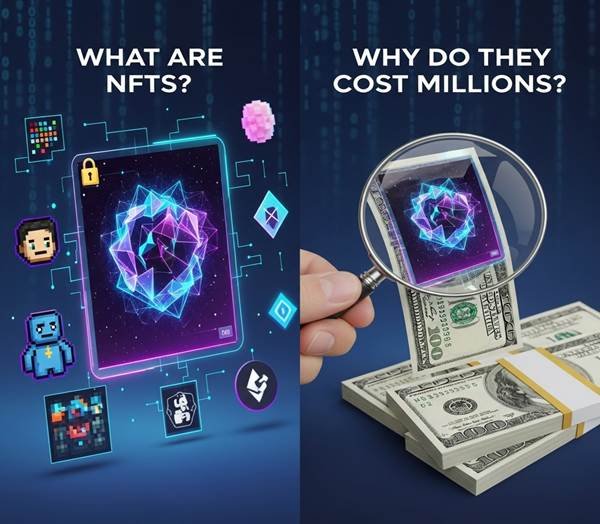
Have you ever scrolled through your social media feed and seen headlines about digital images selling for astronomical sums, sometimes millions of dollars? Perhaps you’ve wondered, “What exactly is an NFT, and why are people paying so much for something that seems like it could just be right-clicked and saved?” You are not alone in this curiosity. The world of Non-Fungible Tokens has exploded, transforming how we perceive ownership and value in the digital realm.
What Exactly is an NFT?
Let’s break down the term. NFT stands for Non-Fungible Token. The key word here is “non-fungible.” Think of it this way: a Pakistani Rupee note is fungible. If you swap your 100 Rupee note for another 100 Rupee note, you still have the same value, it’s interchangeable. They are identical in value and purpose.
Now, consider something non-fungible, like a unique painting by a famous artist, for instance, Sadequain. You can take a picture of it, but that picture isn’t the original, unique artwork itself. The original painting is one-of-a-kind and cannot be replaced by an identical item.
An NFT is essentially a digital certificate of ownership for a unique digital item. This item could be anything from a piece of digital art, a song, a video clip, a tweet, or even virtual land in a metaverse. While the digital file itself can be copied and shared endlessly, the NFT represents the verifiable, unique ownership of the original. It’s like having the deed to a digital asset.
The Power of Blockchain: Proving Ownership
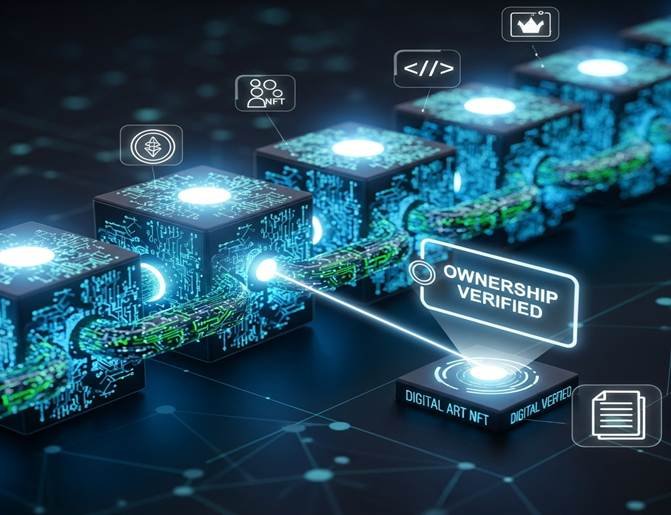
So, how does this digital ownership work, and what makes it so secure? This is where blockchain technology comes into play. NFTs are built on a blockchain, most commonly Ethereum, which is a distributed public ledger that records transactions.
When an NFT is created, or “minted,” its information is encrypted and recorded on this blockchain. This record includes unique identification codes that distinguish it from all other tokens. Every time the NFT is transferred, bought, or sold, that transaction is also recorded on the blockchain. This creates an immutable, transparent, and publicly verifiable history of ownership. This means anyone can see who currently owns a particular NFT and its entire transaction history, making it incredibly difficult to forge or counterfeit. It acts as a digital passport or a “certificate of authenticity” for the digital asset.
Why the Millions? Understanding the Value
Now for the million-dollar question: why are people paying such exorbitant amounts for NFTs? The reasons are multifaceted and often mirror the drivers of value in traditional art and collectibles markets:
- Scarcity and Uniqueness: By their very nature, NFTs are unique and scarce. Even if the underlying digital content can be replicated, the NFT representing its ownership cannot. This inherent scarcity drives demand.
- Digital Art and Collectibles: A significant portion of the NFT market revolves around digital art and collectibles. Just as physical art collectors seek out rare paintings, NFT collectors seek out unique digital creations.
- Community and Social Status: Owning certain NFTs, especially from popular collections like CryptoPunks or Bored Ape Yacht Club, can grant access to exclusive online communities and signify social status within the crypto world.
- Speculation: Many buyers are driven by the potential for future profit. They purchase NFTs hoping their value will appreciate, allowing them to sell for a higher price later. This speculative element can lead to rapid price increases, sometimes described as a market “bubble.”
- Direct Artist Support: NFTs allow creators to sell their work directly to consumers, often incorporating royalties that pay the artist a percentage every time their work is resold. This empowers artists in a way traditional markets sometimes don’t.
- Cultural Significance and Bragging Rights: Owning a piece of digital history, or an item created by a renowned digital artist, carries a certain prestige. For some, it’s about the bragging rights of owning something truly unique in the digital sphere.
A Famous Example: Beeple’s Record-Breaking Sale
Perhaps the most iconic example of an NFT fetching millions is the sale of Beeple’s “Everydays: The First 5000 Days.” Mike Winkelmann, known as Beeple, is a digital artist who created a new piece of digital art every day for 5,000 consecutive days. He then compiled these 5,000 images into a single, massive digital collage.
In March 2021, this NFT was auctioned at Christie’s, a prestigious auction house, for an astonishing $69.3 million. This landmark sale not only made Beeple one of the most expensive living artists but also catapulted NFTs into mainstream global recognition. The buyer received no physical artwork, only the unique NFT on the blockchain verifying their ownership of this digital masterpiece.
Beyond the Hype: What’s Next for NFTs?
While the initial frenzy around some NFTs has cooled, the underlying technology holds immense potential beyond just digital art. NFTs are being explored for various use cases, including:
- Gaming: Representing unique in-game items and characters.
- Music: Providing artists with new ways to distribute and monetize their work, and manage royalties.
- Real Estate: Tokenizing ownership of physical and virtual properties.
- Identity and Ticketing: As secure, verifiable digital identifiers.
The NFT market is still evolving, marked by both incredible highs and significant volatility. However, the core concept of verifiable digital ownership on a blockchain is a powerful innovation that is likely to shape our digital future in profound ways, well beyond the headlines of multi-million dollar sales.
Stay tuned with Hello Salam PK for more!