
Iqbal Day 2025: Paying Tribute to Pakistan’s National Poet
Every year on November 9th, Pakistan celebrates Iqbal Day, honoring the birth of Allama Muhammad Iqbal, a philosopher, poet, and politician whose ideas were instrumental in the creation of Pakistan. Known as the “Poet of the East,” Iqbal’s contributions continue to shape the soul of the nation. As we celebrate Iqbal Day 2025, we revisit the life, work, and philosophy of a visionary whose legacy is not just woven into the fabric of Pakistan but continues to inspire the world.
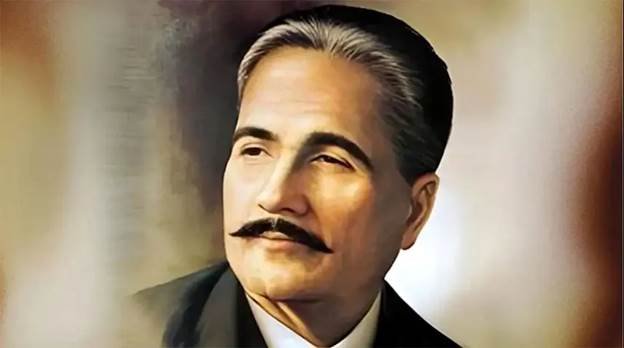
Who Was Allama Iqbal?
Born on November 9, 1877, in Sialkot, Punjab (then British India, now in Pakistan), Allama Muhammad Iqbal is regarded as one of the most significant intellectuals of the 20th century. His philosophy, poetry, and vision for a separate Muslim state made him a key figure in the Pakistan Movement. Iqbal’s poetry instilled a sense of self-realization and unity among Muslims, and his ideas laid the groundwork for the creation of Pakistan in 1947.
Iqbal’s intellectual journey took him from Government College Lahore to Cambridge University and then to Germany, where he earned a PhD from the Ludwig Maximilian University of Munich. During his years in Europe, Iqbal wrote his poetry in Persian and developed his philosophical ideas on the revival of Muslim society.
The Vision Behind Pakistan
Iqbal’s most famous political contribution was his 1930 Allahabad Address, where he first proposed the idea of a separate homeland for Muslims in the Indian subcontinent. Though Iqbal did not live to see Pakistan’s creation in 1947, his call for a Muslim state became the guiding principle for the Pakistan Movement. Iqbal’s ideas about self-determination and unity laid the foundation for Pakistan’s ideological framework.
As a member of the Indian Muslim League, Iqbal worked tirelessly to represent the Muslim community’s interests. He was a visionary who believed in the empowerment of the individual and the strength of collective unity. He advocated for a progressive Islamic society based on moral values and self-awareness.
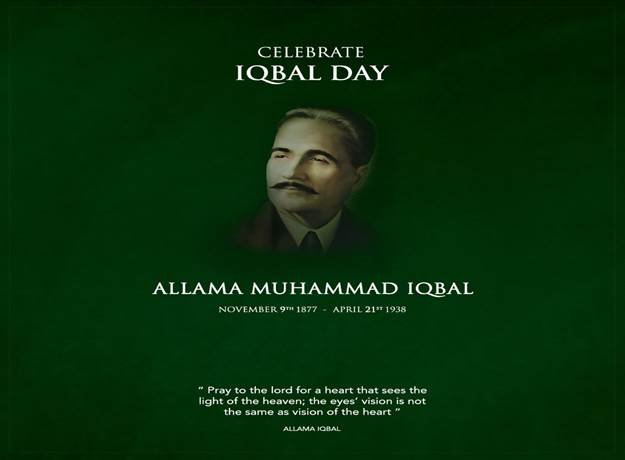
Iqbal’s Popular Shairi: A Legacy of Wisdom
Iqbal’s poetry is a treasure trove of wisdom and inspiration. His shairi (verses) continue to resonate with millions, stirring the soul and encouraging self-reflection. His words transcend time, guiding generations of Pakistanis and Muslims around the world. Here are some of his most popular shair
- “Khudi ko kar buland itna ke har taqdeer se pehle
Khuda bande se khud pooche, bata, teri raza kya hai”
(“Raise thyself to such heights that even before destiny asks,
God will inquire, ‘What is it that you desire?'”)
- “Sitaron se aage jahan aur bhi hain
Teri manzil taqdeer ki nahi saari hai”
(“Beyond the stars, there are other worlds,
Your destination is not confined to fate.”)
- “Khwaabon ki soorat mein jo haqeeqat mein chhupi hain
Woh jahan ye tarjuma hai, woh jahan ye tarjuma hai”
(“In dreams, lies a reality that is hidden,
And that reality is within your grasp.”)
These lines exemplify his call for self-realization, action, and spiritual growth.
Iqbal’s Legacy in Philosophy
Iqbal was not just a poet, but also a philosopher whose works deeply engaged with the challenges faced by the Muslim world. His Reconstruction of Religious Thought in Islam stands as a beacon for intellectual revival. Through his philosophy, Iqbal addressed the need for self-reflection, the importance of spiritual development, and the need for a progressive Islamic society.
- Khudi (Selfhood): Iqbal’s concept of Khudi or self-realization emphasized the need for individuals to understand their own potential, empowering them to contribute meaningfully to society.
- The Role of Knowledge: Iqbal believed that the pursuit of knowledge was essential for both personal and societal progress. His work called for an intellectual and spiritual awakening, not only for Muslims but for all humanity.
Celebrating Iqbal Day: Commemorating a Vision
Iqbal Day is celebrated with much enthusiasm across Pakistan. On November 9th, Pakistanis honor Iqbal’s contributions through various activities, including:
- Poetry Recitations: Schools and universities across the country hold events where students recite Iqbal’s poetry, often reflecting on themes like unity, patriotism, and self-awareness.
- Public Ceremonies: People gather at Iqbal’s tomb in Lahore to offer prayers and pay their respects to the poet who sparked a revolution in thought and spirit.
- Seminars & Discussions: Intellectuals, philosophers, and educators organize discussions on Iqbal’s works, his philosophy, and his relevance to contemporary issues in Pakistan and the world.
Iqbal’s Family Life and Contributions to Literature
Iqbal’s personal life was just as remarkable as his professional one. He married twice, first to Kahnam, with whom he had two sons. Later, Iqbal married Sardar Begum. His children followed in his intellectual footsteps. His eldest son, Javed Iqbal, became a distinguished scholar and judge, carrying forward the legacy of his father’s vision for Pakistan.
Iqbal’s works were translated into several languages, including English, French, German, and Arabic, and his influence extended far beyond South Asia. His philosophical works earned him recognition in Iran, Turkey, and Arab nations, where he is often regarded as a guiding figure in Islamic thought.
Iqbal’s Vision for the Youth of Pakistan
One of the central themes in Iqbal’s philosophy was his focus on youth empowerment. He believed that the youth hold the key to the future of any nation and that their education, empowerment, and moral development are essential to building a strong society. His poetry, such as “Shaheen ki tarah zindagi guzarna” (Live like a falcon, free and unbound), emphasizes self-reliance, courage, and the pursuit of excellence for the youth.
Iqbal’s vision for Pakistan, as laid out in his writings and speeches, continues to inspire the young generation to strive for personal growth, social justice, and the betterment of the nation.
Iqbal’s Global Influence
Iqbal’s influence wasn’t confined to Pakistan. He has had a profound impact on Iran, where his works are widely read, and his philosophy is embedded in the intellectual discourse. Iranian leaders, especially Ayatollah Khomeini, have cited Iqbal as a key figure in shaping modern Islamic thought.
Iqbal’s contributions also extend to Turkey, Afghanistan, and the Middle East, where his philosophy on unity, self-determination, and social justice continue to inspire movements for intellectual freedom and social reform.
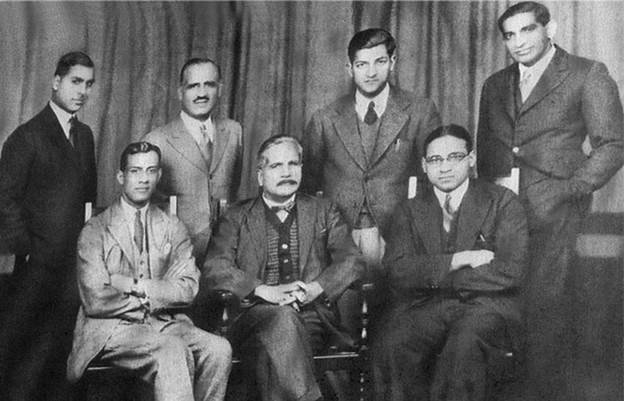
Iqbal Day Celebrations: How to Honor His Legacy
On Iqbal Day, Pakistanis can honor his legacy by not only paying tribute to his poetry but also actively engaging in activities that reflect his values. Some ways to celebrate Iqbal Day include:
- Reading his poetry and reflecting on his message of self-realization and intellectual growth.
- Engaging in community service to embody Iqbal’s ideals of service to society and the promotion of social justice.
- Attending or organizing seminars and discussions about Iqbal’s philosophy and its relevance to the modern world.
Embracing Iqbal’s Legacy
Iqbal Day 2025 isn’t just about commemorating a poet; it’s about revisiting the vision, ideas, and values that Allama Iqbal stood for. His work remains a beacon of hope, urging us to look inward, embrace self-discovery, and work collectively towards a better Pakistan and a more just world. As we remember him on this day, let’s honor his memory by applying his teachings to our own lives, ensuring that Iqbal’s vision continues to guide us into the future.
FAQs
1. What is Iqbal Day?
Iqbal Day is celebrated on November 9th to commemorate the birth of Allama Muhammad Iqbal, the national poet of Pakistan, whose philosophy and poetry laid the foundation for Pakistan.
2. Why is Iqbal Day important?
Iqbal Day is important because it honors Iqbal’s contributions to the creation of Pakistan and his philosophy, which continues to inspire generations about self-awareness, unity, and intellectual growth.
3. How is Iqbal Day celebrated?
Iqbal Day is marked with poetry recitations, discussions, seminars, and visits to Iqbal’s tomb, where people reflect on his teachings and their relevance today.
4. What is the significance of Iqbal’s philosophy?
Iqbal’s philosophy emphasized self-realization (Khudi), the empowerment of individuals, and the unity of the Muslim community, ultimately leading to the creation of Pakistan.
5. Is Iqbal Day a public holiday?
Yes, Iqbal Day is observed as a public holiday in Pakistan, where schools, universities, and public offices remain closed in tribute to the poet.
Stay tuned with Hello Salam PK for more cultural insights!